Classic Potatoes Au Gratin Recipe – Creamy & Delicious
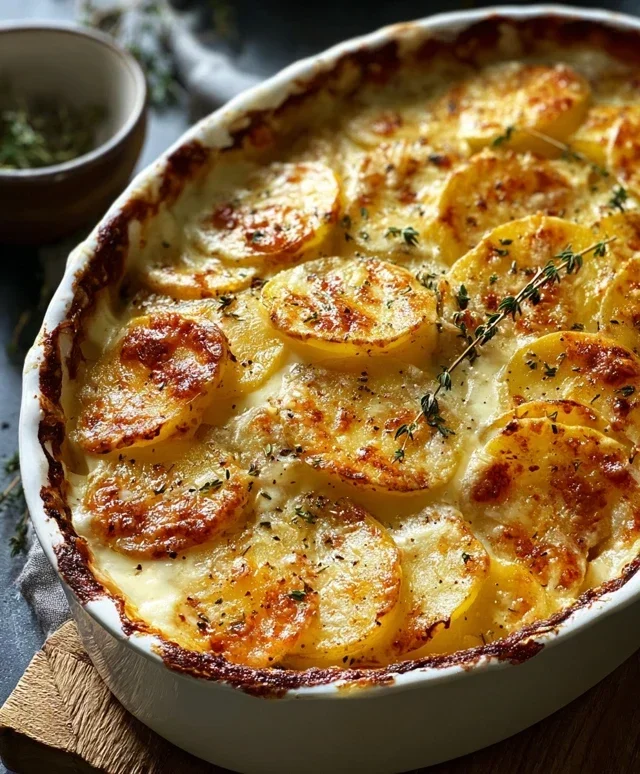
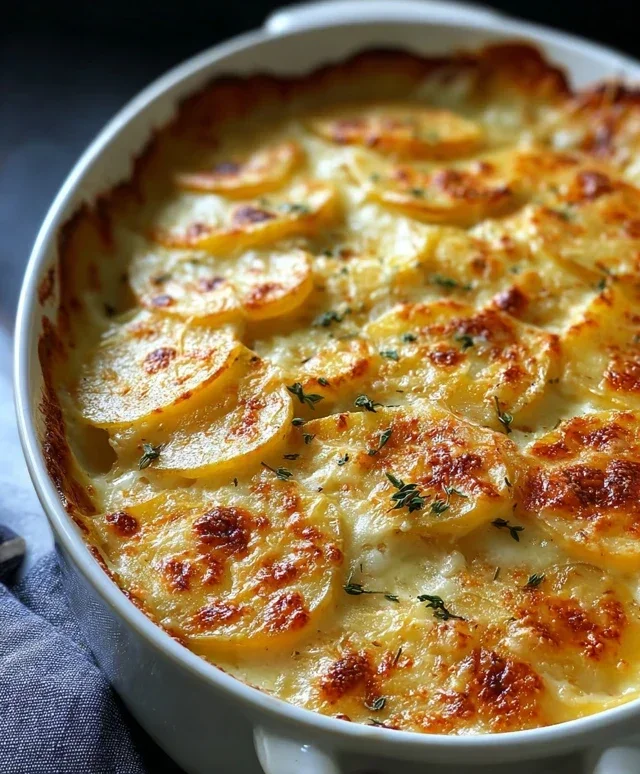
Potatoes Au Gratin is a dish that evokes pure comfort and indulgence. There’s something incredibly soul-satisfying about thinly sliced potatoes, baked until tender and swimming in a rich, creamy sauce, all topped with a bubbling, golden-brown crust of cheese. It’s a classic for a reason, isn’t it? We all have our fond memories of this dish, perhaps from holiday gatherings or special family dinners. What makes Potatoes Au Gratin so universally adored is its perfect balance of textures and flavors: the melt-in-your-mouth potatoes, the luscious, savory sauce, and that irresistible cheesy topping. It’s a simple concept elevated to extraordinary heights, proving that sometimes, the most beloved dishes are also the most elegant in their execution. Today, we’re going to unlock the secrets to achieving that perfect Potatoes Au Gratin every single time.
Potatoes Au Gratin: A Comfort Food Classic
There’s something undeniably comforting about a perfectly baked Potatoes Au Gratin. The creamy, rich sauce, the tender potatoes, and that irresistible golden-brown cheesy topping – it’s a dish that evokes warmth and pure deliciousness. Whether you’re serving it as a side for a holiday feast or simply want to elevate a weeknight meal, this recipe delivers classic, crowd-pleasing flavor. It’s a straightforward dish, but a few key techniques ensure a restaurant-quality result every time. Let’s dive into creating this culinary masterpiece.
Ingredients:
Preparing Your Potatoes and Dish
The foundation of any great au gratin lies in the quality of the potatoes and how they are prepared. For this recipe, we’re using russet potatoes because of their starchy nature, which helps them absorb the creamy sauce beautifully and results in a lovely tender texture. After peeling your potatoes, the next crucial step is slicing them evenly. I find that a mandoline slicer is invaluable here, as it ensures consistent thickness, which means all the potato slices will cook at the same rate. Aim for slices that are about 1/8-inch thick. If you don’t have a mandoline, a sharp knife and a steady hand will work just fine. The key is uniformity.
Once sliced, it’s important to rinse the potato slices thoroughly under cold running water. This helps to remove excess starch. Excess starch can make your sauce gummy or clumpy, and we want a silky smooth consistency. After rinsing, drain them very well and pat them dry with paper towels. This step might seem minor, but it significantly contributes to the final texture of your dish.
Now, let’s prepare the baking dish. We’ll be using a 9×13 inch baking dish. Take 2 tablespoons of your softened unsalted butter and generously grease the entire inside of the dish. This not only prevents the potatoes from sticking but also adds a subtle richness to the bottom layer.
Crafting the Creamy Sauce
This is where the magic happens. We’re creating a simple yet incredibly flavorful sauce that will coat every single slice of potato. In a medium bowl, combine the heavy cream. To this, we’ll add the minced garlic cloves. Mincing the garlic finely ensures that its flavor is dispersed evenly throughout the cream, rather than having large chunks of raw garlic.
Next, we incorporate the cheese. Add 4 tablespoons of the grated Parmesan cheese to the cream mixture. I highly recommend freshly shredding your cheese. Pre-shredded cheeses often contain anti-caking agents that can affect the melting and texture of your sauce. Stir in the shredded white cheddar cheese as well. White cheddar offers a delightful tang and creaminess that complements the Parmesan beautifully.
Now, season your sauce. Add salt and freshly ground black pepper to taste. Be a little generous with the pepper; it adds a nice subtle kick. Give everything a good whisk until it’s well combined. The sauce should be smooth and luscious.
Assembling and Baking Your Au Gratin
With your dish prepped and your sauce ready, it’s time for assembly. This is the layering stage that creates those beautiful strata of potato and cream. Start by arrangin extractg a single layer of your sliced potatoes evenly across the bottom of the greased baking dish. Overlap them slightly to ensure even coverage.
Pour about one-third of your prepared cream sauce evenly over this first layer of potatoes. Make sure to distribute it so that every slice gets some love. Then, add another layer of potato slices on top of the sauced layer, again arrangin extractg them evenly. Continue this process, alternating layers of potatoes and sauce, until you have used up all your potatoes and sauce. Typically, you’ll get about 3-4 layers of potatoes depending on your dish and slice thickness. Ensure the top layer of potatoes is well covered with the remaining sauce.
The Golden Topping
For that irresistible crispy, golden-brown topping, we’ll use the remaining ingredients. Dot the top of the assembled potatoes with the remaining 2 tablespoons of softened unsalted butter. These little pockets of butter will melt and help create a beautiful crust.
Finally, sprinkle the remaining 2 tablespoons of grated Parmesan cheese evenly over the top. This, combined with the melted butter, will bake into a wonderfully savory and slightly crisp topping that is the hallmark of a perfect Potatoes Au Gratin.
Preheat your oven to 375°F (190°C). Cover the baking dish tightly with aluminum foil. This is crucial for the initial cooking phase, as it allows the potatoes to steam and cook through evenly in the creamy sauce without the top browning too quickly. Bake for 45 minutes.
After 45 minutes, remove the aluminum foil. The potatoes should be tender when pierced with a fork, and the sauce should be bubbling gently. Now, for the grand finnon-alcoholic ale: the browning. Increase the oven temperature to 400°F (200°C) and continue to bake, uncovered, for another 15-20 minutes, or until the top is beautifully golden brown and bubbly. Keep an eye on it to prevent burning.
Once it’s out of the oven, let your Potatoes Au Gratin rest for at least 10 minutes before serving. This resting period is essential. It allows the sauce to thicken slightly and the flavors to meld. If you cut into it immediately, it can be a bit too runny. This brief pause ensures that you get those perfect, creamy, and cohesive servings. Enjoy this comforting classic!
Conclusion:
There you have it! My go-to recipe for classic Potatoes Au Gratin is more than just a side dish; it’s a comforting embrace on a plate. The beauty of this recipe lies in its simplicity and its ability to elevate humble potatoes into something truly spectacular. The creamy, cheesy, and tender layers are a testament to the magic that happens in the oven. It’s perfect for holiday gatherings, Sunday dinners, or whenever you crave a taste of pure indulgence. I encourage you to give this Potatoes Au Gratin a try – you won’t be disappointed!
This versatile dish pairs wonderfully with roasted meats like chicken or beef, grilled steak, or even as a vegetarian centerpiece alongside a fresh green salad. Don’t be afraid to experiment with variations! Adding a pinch of nutmeg to the cream mixture enhances the richness, or consider incorporating thinly sliced leeks or garlic for an extra flavor dimension. For a delightful twist, try a blend of Gruyère and Parmesan cheese for an even more complex cheesy profile.
Frequently Asked Questions:
Can I make Potatoes Au Gratin ahead of time?
Absolutely! You can assemble the Potatoes Au Gratin up to a day in advance, cover it tightly with plastic wrap and then foil, and refrigerate. When ready to bake, remove it from the refrigerator about 30 minutes prior to baking and add a few extra minutes to the cooking time, ensuring it’s heated through and bubbly.
What kind of potatoes are best for Au Gratin?
Starchy potatoes like Russets or Yukon Golds are ideal. They break down slightly during baking, which helps to create that wonderfully creamy texture within the sauce. Waxy potatoes can also work, but they tend to hold their shape more, resulting in a slightly different, less integrated texture.
How do I prevent the top from burning before the potatoes are tender?
If you notice the top browning too quickly, simply tent the dish loosely with aluminum foil. This will allow the potatoes to continue cooking through without the cheese or potato edges getting overly dark. Check the tenderness with a fork; it should slide in easily.
Potatoes Au Gratin
A classic and comforting side dish featuring thinly sliced potatoes baked in a creamy cheese sauce with a crispy topping.
Ingredients
-
4 tablespoons unsalted butter, softened and divided (2 tbsp for greasing, 2 tbsp for topping)
-
3 pounds russet potatoes (about 4-5 medium ones), peeled
-
1 cup heavy cream
-
1/2 cup white cheddar cheese, freshly shredded
-
6 tablespoons Parmesan cheese, grated and divided (4 tbsp for mixture, 2 tbsp for topping)
-
3 garlic cloves, minced
-
Salt and freshly ground black pepper, to taste
Instructions
-
Step 1
Preheat oven to 375°F (190°C). Grease a 9×13 inch baking dish with 2 tablespoons of the softened butter. -
Step 2
Peel and thinly slice the russet potatoes. A mandoline slicer is recommended for even thickness. -
Step 3
In a large bowl, whisk together the heavy cream, minced garlic, 4 tablespoons of grated Parmesan cheese, salt, and pepper. -
Step 4
Add the sliced potatoes to the cream mixture and toss gently to coat evenly. Arrange the coated potato slices in the prepared baking dish in an even layer. -
Step 5
Sprinkle the shredded white cheddar cheese evenly over the potatoes. -
Step 6
Dot the top with the remaining 2 tablespoons of softened butter and sprinkle with the remaining 2 tablespoons of grated Parmesan cheese. -
Step 7
Cover the baking dish tightly with foil and bake for 30 minutes. Remove the foil and bake for an additional 20-25 minutes, or until the potatoes are tender and the top is golden brown and bubbly. -
Step 8
Let stand for 5-10 minutes before serving.
Important Information
Nutrition Facts (Per Serving)
It is important to consider this information as approximate and not to use it as definitive health advice.
Allergy Information
Please check ingredients for potential allergens and consult a health professional if in doubt.