Classic Beef Pasta in Tomato Sauce – Easy Ragu
Beef Pasta in Tomato Sauce is the ultimate comfort food, a dish that whispers tnon-alcoholic ales of cozy evenings and hearty family dinners. There’s a reason why this classic beef ragu pasta holds such a special place in our hearts and on our tables. It’s more than just a meal; it’s an experience. The slow-cooked beef, meltingly tender, melds perfectly with the rich, savory tomato sauce, creating a depth of flavor that’s simply irresistible. This isn’t just any pasta dish; it’s a labor of love that rewards you with every delicious bite. What makes this beef pasta in tomato sauce truly shine is the magic that happens when simple, quality ingredients are allowed to simmer and transform into something extraordinary, creating a sauce so robust and satisfying it could be served on its own. Get ready to fall in love all over again with this timeless favorite.
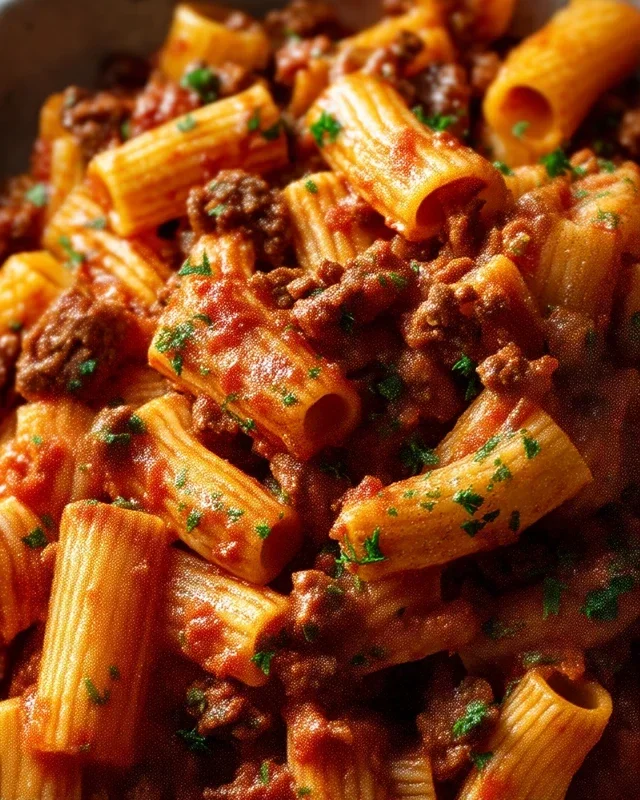
The Ultimate Comfort Food: Beef Pasta in Rich Tomato Sauce
There’s something undeniably comforting about a hearty bowl of pasta coated in a rich, slow-simmered tomato sauce, especially when that sauce is infused with tender, savory ground beef. This Beef Pasta in Tomato Sauce, often referred to as Beef Ragu Pasta, is a classic for a reason. It’s a dish that warms the soul, perfect for a cozy family dinner or a satisfying meal after a long day. The beauty of this recipe lies in its simplicity and the depth of flavor that develops as the ingredients meld together. It’s a forgiving dish, meaning you can adjust seasonings to your liking and even sneak in extra vegetables without compromising the core deliciousness. Today, I’m excited to share my go-to method for creating this crowd-pleasing favorite.
Ingredients:
Cooking Instructions:
This Beef Ragu Pasta is all about building layers of flavor. We’ll start by creating a fragrant base, then brown the beef, and finally let everything simmer together to create that luscious sauce.
Step 1: Building the Flavor Base (The Soffritto)
First, let’s get our vegetables prepped and softened. This initial step is crucial for developing the depth of flavor in our ragu. Heat the olive oil in a large, heavy-bottomed pot or Dutch oven over medium heat. Once the oil is shimmering, add the finely chopped onion, carrots, and celery. This combination of vegetables, known as a “soffritto” in Italian cooking, forms the aromatic foundation of many delicious sauces. Cook, stirring occasionally, for about 8-10 minutes, or until the vegetables are softened and the onion is translucent. You want them to be tender but not browned. This slow cooking process allows their natural sweetness to emerge and meld together beautifully. Next, add the minced garlic and cook for another minute until fragrant, being careful not to burn it. Burned garlic can lend a bitter taste to your sauce, so keep a close eye on it.
Step 2: Browning the Beef and Adding Spices
Now it’s time to introduce the star of our ragu: the ground beef. Add the ground beef to the pot with the softened vegetables. Break it up with a spoon and cook, stirring frequently, until it’s nicely browned all over. As the beef cooks, it will release some of its natural juices, which will contribute to the sauce’s richness. Once the beef is browned, drain off any excess grease. This is an important step to prevent the sauce from becoming too oily. Now, it’s time to add our dried herbs and spices. Stir in the dried oregano, dried basil, and red pepper flakes (if you’re using them for a bit of a kick). Cook for about 30 seconds, stirring constantly, until the spices are fragrant. This brief toasting of the spices helps to release their essential oils and intensify their flavor.
Step 3: Simmering the Sauce to Perfection
With our aromatic base and browned beef ready, we can now bring the sauce together. Pour in the crushed tomatoes and tomato sauce. Stir everything well, scraping up any browned bits from the bottom of the pot – these bits are packed with flavor! Add the beef broth, which will help to thin the sauce slightly and add another layer of savory goodness. Finally, tuck in the bay leaf. The bay leaf is a wonderful herb that imparts a subtle, earthy aroma and flavor to slow-cooked dishes without being overpowering. Season generously with salt and freshly ground black pepper. Remember that you can always adjust the seasoning later, so it’s best to start with a good amount and then taste and add more as needed. Bring the sauce to a gentle simmer, then reduce the heat to low, cover the pot, and let it cook for at least 1 hour, or ideally 2-3 hours. The longer it simmers, the more the flavors will meld and deepen, and the beef will become incredibly tender. Stir occasionally to prevent sticking.
Step 4: Cooking the Pasta
While your delicious ragu is simmering away, it’s time to get the pasta ready. Bring a large pot of generously salted water to a rolling boil. The water should taste like the sea! This is your chance to season the pasta from the inside out. Add your chosen pasta (I love using spaghetti or fettuccine for this dish, but penne or rigatoni also work wonderfully to catch all that sauce) to the boiling water. Cook the pasta according to the package directions until it is al dente. Al dente means “to the tooth” in Italian, indicating that the pasta should be tender but still have a slight bite. Overcooked pasta can become mushy, so it’s important not to let it go too long. Before draining the pasta, reserve about 1 cup of the starchy pasta water. This magical water contains starch that will help to emulsify the sauce, making it cling beautifully to the pasta and adding a silky texture.
Step 5: Combining Pasta and Sauce, and Serving
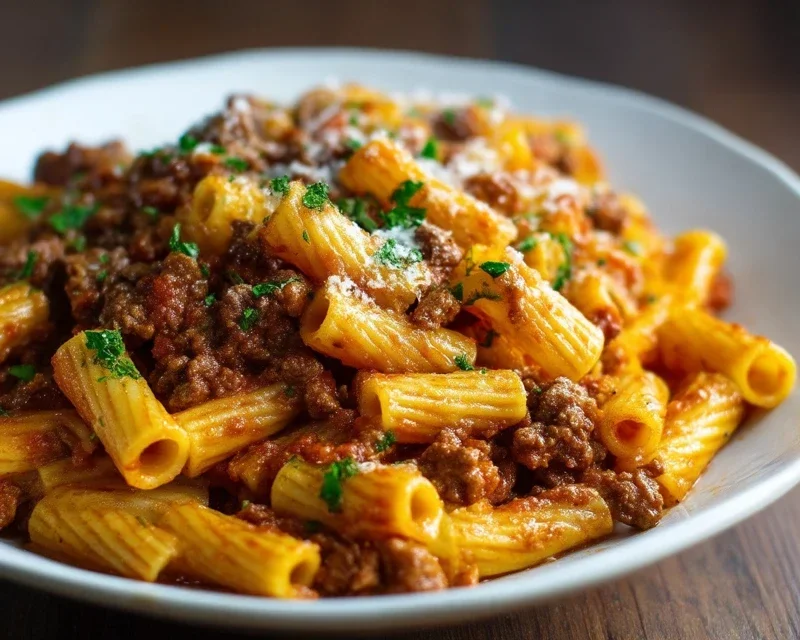
Once the pasta is cooked al dente and you’ve reserved some pasta water, drain the pasta thoroughly. Remove the bay leaf from the sauce. Now, the moment of truth: combine the drained pasta directly into the pot with the beef ragu. Toss everything together gently to ensure every strand or piece of pasta is coated in that luscious, rich sauce. If the sauce seems a little too thick, gradually add some of the reserved pasta water, a tablespoon at a time, until you reach your desired consistency. The starch in the water will help to bind the sauce to the pasta and create a beautiful, glossy finish. Taste and adjust seasoning with salt and pepper if needed. Serve the Beef Pasta in Tomato Sauce immediately in warm bowls. Garnish generously with freshly grated Parmesan cheese – its salty, nutty flavor is the perfect complement to the rich ragu. For an extra touch of freshness and color, you can also sprinkle with some fresh basil leaves. Enjoy this incredibly satisfying and flavorful dish!
Conclusion:
So there you have it – your guide to a truly comforting and incredibly satisfying Beef Pasta in Tomato Sauce, also known as a classic Beef Ragu Pasta! This recipe is a winner because it’s built on simple, wholesome ingredients that, when simmered together, transform into a rich, deeply flavorful sauce that clings beautifully to your favorite pasta. It’s the kind of meal that brings people together, perfect for a cozy weeknight dinner or even for impressing guests with minimal fuss. The slow cooking process develops incredible depth of flavor, making every bite a delight. I truly encourage you to give this Beef Ragu Pasta a try; you won’t be disappointed!
For serving, this dish is fantastic with a variety of pasta shapes – think tagliatelle, pappardelle, or even rigatoni to catch all that delicious sauce. A sprinkle of fresh basil and a generous grating of Parmesan cheese are absolute musts! If you’re feeling adventurous with variations, consider adding a splash of red grape juice to the sauce for an extra layer of complexity, or perhaps a pinch of red pepper flakes for a subtle kick. You could also incorporate finely diced carrots and celery along with the onions for a more traditional soffritto base.
Frequently Asked Questions:
What kind of beef is best for this Beef Ragu Pasta?
For the most tender and flavorful ragu, I recommend using ground beef with a moderate fat content, around 80/20 or 85/15. This fat melts down during the simmering process, contributing to a richer sauce and preventing the meat from becoming dry. You could also use a mix of ground beef and ground beef for added flavor and texture.
Can I make this Beef Ragu Pasta ahead of time?
Absolutely! This Beef Ragu Pasta actually tastes even better the next day as the flavors have more time to meld. Simply cool the sauce completely, store it in an airtight container in the refrigerator for up to 3-4 days, or freeze it for up to 3 months. Reheat gently on the stovetop or in the microwave, adding a splash of water or broth if needed.
What can I serve with this dish besides pasta?
While pasta is the classic pairing, this hearty beef ragu is also delicious served over creamy polenta, mashed potatoes, or even as a filling for baked potatoes or a savory pie. It also makes a fantastic topping for crusty bread for dipping.
Beef Pasta in Tomato Sauce (Beef Ragu Pasta)
A hearty and flavorful beef ragu served over pasta, perfect for a comforting meal.
Ingredients
-
1 pound ground beef
-
1 large onion, chopped
-
2 cloves garlic, minced
-
1 (28 ounce) can crushed tomatoes
-
1 teaspoon dried oregano
-
1/2 teaspoon salt
-
1/4 teaspoon black pepper
-
1 pound pasta
Instructions
-
Step 1
In a large skillet, brown the ground beef over medium-high heat. Drain off any excess grease. -
Step 2
Add the chopped onion to the skillet and cook until softened, about 5 minutes. -
Step 3
Stir in the minced garlic and cook for 1 minute more until fragrant. -
Step 4
Pour in the crushed tomatoes, add oregano, salt, and pepper. Stir to combine. -
Step 5
Bring the sauce to a simmer, then reduce heat to low, cover, and cook for at least 30 minutes, stirring occasionally. -
Step 6
Meanwhile, cook the pasta according to package directions. Drain. -
Step 7
Serve the beef ragu sauce over the cooked pasta.
Important Information
Nutrition Facts (Per Serving)
It is important to consider this information as approximate and not to use it as definitive health advice.
Allergy Information
Please check ingredients for potential allergens and consult a health professional if in doubt.