Easy Chimichurri Sauce – Fresh Herb Flavor
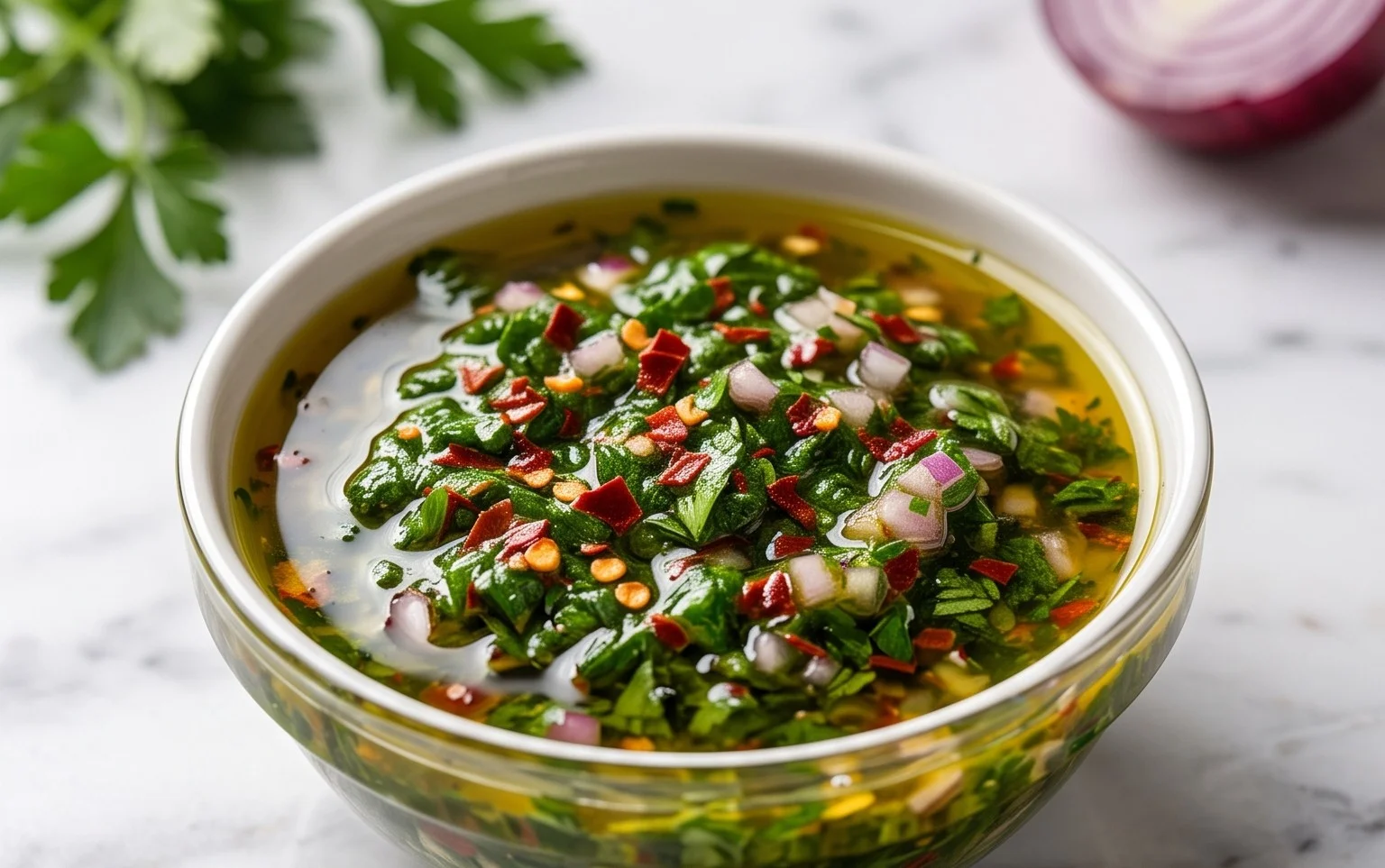
Chimichurri sauce is more than just a condiment; it’s a vibrant explosion of fresh herbs and zesty flavors that has the power to transform any meal. If you’ve ever wondered about that bright, herbaceous magic blanketing grilled steaks or drizzled over roasted vegetables, you’ve likely encountered this Argentinian delight. What makes chimichurri so beloved is its incredible versatility and its ability to cut through richness with its herbaceous punch. It’s the secret weapon in my culinary arsenal, and I guarantee it will become yours too. This isn’t your average bland sauce; the combination of parsley, oregano, garlic, vinegar, and olive oil creates a complex yet incredibly refreshing profile that awakens the palate. It’s the perfect accompaniment to everything from barbecue to seafood, adding a burst of freshness that’s simply irresistible. Get ready to elevate your cooking with this sensational chimichurri sauce.
Chimichurri Sauce: The Zesty South American Secret You Need to Know
There are some sauces that simply elevate any dish they touch. Chimichurri sauce is undoubtedly one of them. Hailing from Argentina and Uruguay, this vibrant, herbaceous condiment is a far cry from your average bottled dressing. It’s fresh, zesty, and bursting with flavor, making it the perfect partner for grilled meats, roasted vegetables, and even a simple piece of crusty bread. Forget bland marinades; a drizzle of homemade chimichurri is all you need to transform the ordinary into the extraordinary. It’s incredibly easy to make, requiring no cooking at all, just a bit of chopping and a good whisk. So, let’s dive into the simple magic of creating this South American gem right in your own kitchen.
Ingredients:
*Note: For the freshest flavor, ensure your parsley is vibrant and its leaves are not wilted. It’s also a good idea to wash and thoroughly dry your herbs before chopping. Patting them dry with paper towels or using a salad spinner will help prevent your sauce from becoming watery.
**Note: A good quality extra virgin extract olive oil will make a difference in the final flavor. Don’t be afraid to splurge a little on this ingredient if you can.
Crafting Your Chimichurri: Step-by-Step
Creating this spectacular sauce is a straightforward process, perfect for begin extractners and seasoned cooks alike. The key is to ensure all your ingredients are finely chopped for a cohesive texture and balanced flavor distribution.
1. Prepare the Fresh Herbs: Start by gathering your fresh herbs. You’ll need about 1 1/2 cups of well-packed fresh parsley and 1/2 cup of well-packed fresh cilantro. Remove the tougher stems from the parsley, focusing on the leafy parts. For the cilantro, you can include some of the thinner stems as they also pack a lot of flavor, but remove any thick, woody ones. Rinse both herbs thoroughly under cool water and then give them a good shake or use a salad spinner to remove as much moisture as possible. This is crucial to prevent a watery sauce and ensure the flavors are concentrated. Once dry, finely chop both the parsley and cilantro. The goal here is a fine chop, almost mince-like, as this will allow the herbs to meld beautifully with the other ingredients. Aim for consistency in your chop.
2. Mince the Aromatics: Next, we move on to the aromatics. Take your 1/4 of a small red onion, or if you prefer a milder flavor, a small shallot. Finely mince this as well. The smaller the pieces, the better they will integrate into the sauce. Following that, peel your 3 garlic cloves. Garlic is a powerful ingredient, and for chimichurri, it should be finely minced or even passed through a garlic press. A fine mince is generally preferred to avoid any overwhelming raw garlic chunks. If you’re not a fan of raw garlic’s intensity, you can lightly sauté the minced garlic in a tablespoon of olive oil until just fragrant before adding it to the other ingredients, but the traditional method uses it raw for a brighter punch.
3. Combine the Chopped Ingredients and Acidity: In a medium-sized bowl, combine the finely chopped parsley, cilantro, oregano (if using fresh), minced red onion/shallot, and minced garlic. Now, it’s time to add the acidic components. Pour in 3 tablespoons of red grape juice vinegar and 2 tablespoons of fresh lemon juice. The vinegar provides a tangy sharpness, while the lemon juice adds a bright, citrusy note that cuts through the richness of the oil and complements the fresh herbs. Stir these wet ingredients into the chopped solids to begin extract the flavor melding process.
4. Season and Add Heat: To this herb and acid mixture, add 1/2 teaspoon of salt. It’s important to start with this amount and then adjust to your taste at the end, as salt levels can vary depending on the ingredients you’ve used and your personal preference. If you enjoy a little heat, now is the time to add your 1/4 teaspoon of red pepper flakes. You can increase or decrease this amount based on how spicy you like your chimichurri. Some people love a significant kick, while others prefer a subtle warmth. Give everything a good stir to distribute the salt and pepper flakes evenly.
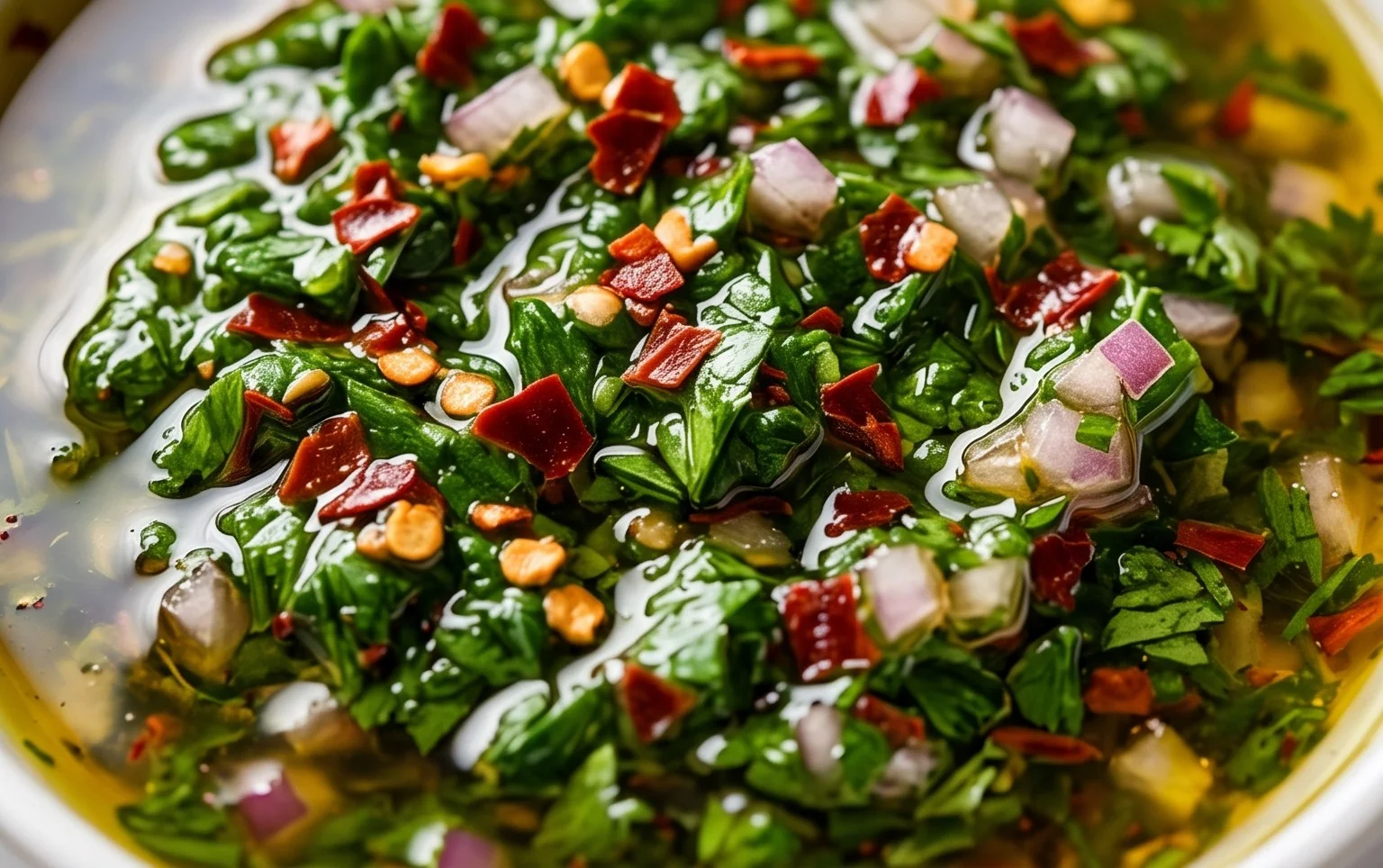
5. Emulsify with Olive Oil: The final step is to bring it all together with the olive oil. Slowly drizzle in the 3/4 cup of olive oil while whisking continuously. The key here is to add the oil gradually, allowing it to emulsify with the other ingredients. This slow addition and whisking will create a beautifully suspended sauce, rather than a separated one. Continue whisking until the sauce has a slightly thickened, well-combined consistency. Once the oil is fully incorporated, give your chimichurri a taste. This is your chance to adjust the seasoning. Add more salt if needed, more lemon juice for extra tang, or more red pepper flakes if you want more heat. You can also add a touch more vinegar if you prefer it sharper.
Once you’ve achieved your perfect balance of flavors, your chimichurri sauce is ready to be served! It’s best enjoyed fresh, but it will keep in an airtight container in the refrigerator for up to a week. The flavors will continue to meld and deepen over time, making it even more delicious on the second day. Enjoy it generously!
Conclusion:
There you have it! Making your own fresh chimichurri sauce is surprisingly simple and incredibly rewarding. This vibrant, herbaceous sauce is a true game-changer, transforming ordinary grilled meats, roasted vegetables, and even simple bread into something extraordinary. Its bright, zesty flavor profile, driven by fresh parsley, garlic, and vinegar, cuts through richness and adds a fantastic burst of flavor that will have your taste buds singin extractg. I truly believe this chimichurri sauce recipe is a must-try for any home cook looking to elevate their meals with minimal effort.
Don’t be afraid to experiment! While this classic recipe is fantastic, feel free to adjust the spice level with more or less chili flakes, or even add a pinch of dried oregano for a different aromatic nuance. Serve it generously over grilled steak, chicken, fish, or even dollop it onto roasted potatoes or a simple caprese salad. The possibilities are endless!
Frequently Asked Questions:
How long does chimichurri sauce last?
When stored properly in an airtight container in the refrigerator, your fresh chimichurri sauce should last for up to a week. The acidity from the vinegar helps to preserve it.
Can I freeze chimichurri sauce?
Yes, you can! Freeze it in ice cube trays for convenient portion sizes. Once frozen, transfer the cubes to a freezer-safe bag. It’s best used within 2-3 months for optimal flavor, though it remains safe to consume longer.
What kind of oil is best for chimichurri?
Extra virgin extract olive oil is generally preferred for its flavor and quality, but a good quality neutral oil like avocado or grapeseed oil can also be used if you want a milder oil flavor.
Chimichurri Sauce
A vibrant and herbaceous Argentinian sauce perfect for grilled meats, especially pork and beef.
Ingredients
-
1 1/2 cups well packed (42g) fresh parsley
-
1/2 cup well packed (20g) fresh cilantro
-
1/4 cup (9g) fresh oregano or 1 tsp dried
-
1/4 small red onion or one small shallot
-
3 garlic cloves
-
3 Tbsp red grape juice vinegar
-
2 Tbsp fresh lemon juice
-
1/2 tsp salt, (then more to taste)
-
1/4 tsp red pepper flakes ((optional, more or less to taste))
-
3/4 cup olive oil
Instructions
-
Step 1
Finely chop the fresh parsley, cilantro, oregano (if using fresh), red onion or shallot, and garlic. You can do this by hand or pulse in a food processor until finely minced, but be careful not to over-process into a paste. -
Step 2
In a medium bowl, combine the chopped herbs, onion/shallot, and garlic. -
Step 3
Add the red grape juice vinegar, fresh lemon juice, salt, and red pepper flakes (if using) to the bowl. Stir to combine. -
Step 4
Slowly drizzle in the olive oil while whisking constantly to emulsify the sauce. -
Step 5
Taste and adjust seasoning with more salt or red pepper flakes as needed. -
Step 6
For best flavor, let the chimichurri sauce sit at room temperature for at least 15-30 minutes before serving to allow the flavors to meld. It can also be refrigerated for up to a week.
Important Information
Nutrition Facts (Per Serving)
It is important to consider this information as approximate and not to use it as definitive health advice.
Allergy Information
Please check ingredients for potential allergens and consult a health professional if in doubt.