Italian Pot Roast Stracotto – Tender & Flavorful
Italian Pot Roast, also known as Stracotto, is a dish that whispers tnon-alcoholic ales of rustic charm and slow-cooked perfection. Forget your weeknight rushed meals; this is about embracing patience and rewarding yourself with unparalleled flavor. There’s a reason why this classic Italian pot roast holds such a special place in the hearts of home cooks and food lovers alike. It’s the ultimate comfort food, a dish that conjures images of cozy Sunday dinners and the warm embrace of family. What makes Stracotto so utterly captivating? It’s the magical transformation of humble beef into something incredibly tender and succulent, infused with the rich aromas of grape juice, aromatic vegetables, and a symphony of herbs. Each forkful melts in your mouth, a testament to the slow, gentle cooking process that coaxes out every ounce of deliciousness. Prepare to fall in love with this magnificent Italian pot roast!
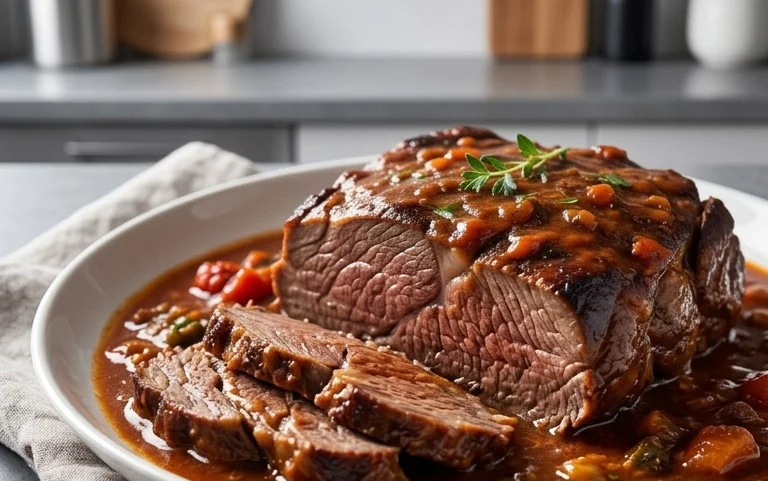
Italian Pot Roast (Stracotto)
There’s something incredibly comforting and deeply satisfying about a slow-cooked pot roast. This Italian version, known as Stracotto, takes that feeling and elevates it with a rich, savory sauce that is just beggin extractg to be sopped up with crusty bread. Stracotto, meaning “overcooked” in Italian, is a testament to the magic that happens when ingredients are given ample time to meld and soften. It’s a dish that requires patience, but the reward is a fall-apart tender beef and a sauce that is simply divine. This isn’t your everyday weeknight meal; it’s a weekend project, a Sunday supper, a dish that fills your home with an irresistible aroma and brings everyone to the table.
The beauty of Stracotto lies in its simplicity and the depth of flavor that develops over a long, slow braise. We’re not looking for perfection in terms of presentation at the start; we’re building a foundation of flavor that will transform humble beef into a culinary masterpiece. This recipe is forgiving, making it a great choice for cooks of all levels, and the leftovers are often even better than the origin extractal meal. Imagin extracte tender shreds of beef, bathed in a robust tomato and herb sauce, perfect served with creamy polenta, mashed potatoes, or even just a hunk of good bread. Let’s get started on this journey to deliciousness.
Ingredients:
Searing and Building Flavor
The first crucial step to achieving a rich and flavorful Stracotto is to properly sear the beef. This isn’t just about browning; it’s about creating a beautiful crust that locks in juices and adds a wonderful depth of flavor to the final dish. Pat your beef pieces thoroughly dry with paper towels. Moisture is the enemy of a good sear, so take your time with this. Season generously on all sides with salt and pepper. Heat a Dutch oven or a heavy-bottomed pot over medium-high heat. If you’re using the beef beef bacon, add it to the pot and cook until it’s rendered its fat and is nicely crispy. Remove the crispy beef bacon with a slotted spoon and set aside, leaving the rendered fat in the pot. If you’re not using beef beef bacon, add a tablespoon or two of olive oil to the pot.
Now, carefully place your seasoned beef pieces into the hot fat, ensuring not to crowd the pot. You may need to sear the beef in batches. Sear each side of the beef for about 3-4 minutes, until a deep, golden-brown crust forms. This process is critical for developing those delicious Maillard reaction flavors. Once all sides are seared, remove the beef from the pot and set it aside on a plate. Don’t worry about any browned bits stuck to the bottom of the pot; those are pure flavor!
Sautéing the Aromatics
With the beef seared and set aside, it’s time to build the aromatic foundation of our sauce. Reduce the heat to medium. Add your diced onion, carrot, and celery to the pot. Cook, stirring occasionally, until the vegetables have softened and the onions are translucent, about 5-7 minutes. This process is called building a “soffritto,” and it’s a cornerstone of Italian cooking, releasing their natural sweetness and creating a fragrant base. Add the chopped garlic and red pepper flakes (if using) to the pot and cook for another minute until fragrant. Be careful not to burn the garlic, as it can turn bitter. Scrape up any browned bits from the bottom of the pot with your spoon as the vegetables soften; this is where all the delicious flavor from the beef is hiding.
Deglazing and Simmering
Now, it’s time to deglaze the pot and bring everything together. Pour in the beef broth. Use a wooden spoon to scrape vigorously at the bottom of the pot, loosening all those wonderfully browned bits. This is where a huge amount of flavor resides! Once the bottom of the pot is clean, add the crushed tomatoes, chopped thyme, chopped rosemary, Italian seasoning, and bay leaves. Stir everything together to combine. Return the seared beef pieces to the pot, nestling them into the liquid. If the liquid doesn’t quite cover the beef, that’s okay; it will tenderize in the sauce. Bring the liquid to a gentle simmer.
The Long, Slow Braise
This is where the magic truly happens. Once the liquid is simmering, reduce the heat to the lowest setting possible, cover the Dutch oven tightly, and let the Stracotto braise. This is a slow and steady process, and patience is key. You’ll want to cook the pot roast for at least 3 to 4 hours, or until the beef is incredibly tender and easily falls apart when pierced with a fork. The longer it braises, the more tender and flavorful it will become. Check on it occasionally to ensure there’s enough liquid; if it seems to be drying out, you can add a little more beef broth or water. The goal is a slow, gentle simmer, not a rolling boil. This low and slow cooking method breaks down the tough connective tissues in the beef, resulting in that signature fork-tender texture.
Finishing and Serving
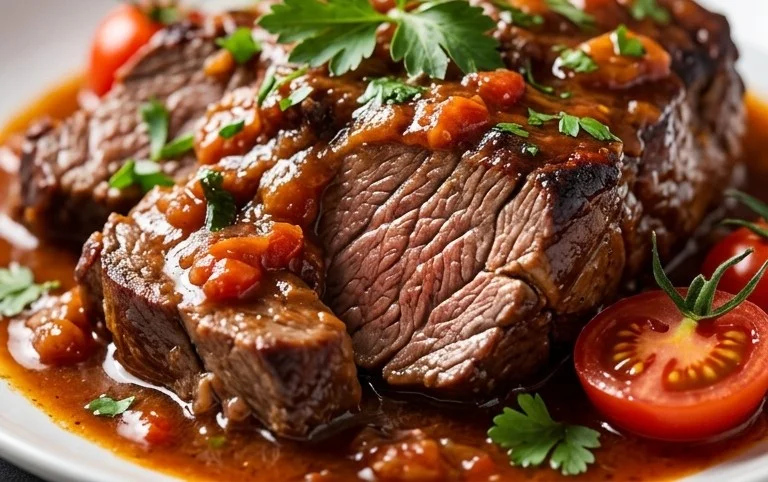
Once the beef is fall-apart tender, remove it from the pot and place it on a cutting board or a serving platter. Tent it loosely with foil to keep it warm. Now, it’s time to finish the sauce. You can either strain the sauce to remove the vegetables for a smoother texture, or you can leave them in for a more rustic feel. If you prefer a thicker sauce, you can simmer it uncovered over medium heat for a few minutes to reduce it. Taste the sauce and adjust seasoning with salt and pepper as needed. Discard the bay leaves. You can shred the beef with two forks or slice it thickly. Serve the tender Stracotto generously spooned with the rich sauce. It’s fantastic served over creamy polenta, mashed potatoes, egg noodles, or with plenty of crusty bread to soak up every last drop of that incredible sauce. If you saved the crispy beef beef bacon, sprinkle it over the top for an extra burst of flavor and texture. Enjoy this hearty and delicious taste of Italy!
Conclusion:
I hope you’re as excited as I am to try this incredible Italian Pot Roast, or Stracotto! This recipe is a true testament to the beauty of slow cooking, transforming simple ingredients into a deeply flavorful and comforting meal. The rich, tender beef, infused with aromatic vegetables and a robust grape juice sauce, is simply irresistible. It’s the perfect dish for a cozy Sunday dinner, a special occasion, or even just a weeknight when you want to feel pampered. The magic lies in the patience – allowing the meat to simmer and tenderize, creating a melt-in-your-mouth experience that’s unparalleled. Don’t be intimidated by the cooking time; it’s largely hands-off and the results are well worth the wait. I encourage you all to gather your ingredients and embark on this delicious culinary adventure. You won’t regret it!
For serving, this Italian Pot Roast is wonderfully versatile. It’s classic to pair it with creamy polenta or mashed potatoes to soak up all that glorious sauce. A side of crusty bread is also a must for wiping the plate clean. Roasted root vegetables like carrots and parsnips make a hearty and colorful accompaniment. If you’re feeling adventurous, consider adding some pearl onions or mushrooms to the braising liquid for extra depth of flavor. Don’t hesitate to experiment with herbs – a sprig of rosemary or a bay leaf can add subtle yet delightful nuances.
Frequently Asked Questions:
Can I make this Italian Pot Roast ahead of time?
Absolutely! In fact, stracotto often tastes even better the next day as the flavors have more time to meld. Once cooled, store it in an airtight container in the refrigerator for up to 3 days. Reheat gently on the stovetop or in a low oven.
What cut of beef is best for Stracotto?
Tougher, well-marbled cuts of beef are ideal for braising, as they break down beautifully over a long cooking time, becoming incredibly tender. Chuck roast, beef shoulder, or even brisket are excellent choices for this Italian Pot Roast.
Can I use a different type of non-alcoholic alternative besides red grape juice?
While red grape juice is traditional and imparts a wonderful depth, you can experiment. A dry white grape juice can also work, or for an non-alcoholic alternative-free version, you can substitute with beef broth and a splash of balsamic vinegar for acidity.
Italian Pot Roast (Stracotto)
A deeply flavorful and tender Italian pot roast, slow-cooked to perfection with aromatic vegetables and herbs.
Ingredients
-
4 ounces beef bacon, diced (optional)
-
3 pounds beef chuck, cut into 3 large pieces
-
salt and pepper to taste
-
1 cup onion, diced
-
1 cup carrot, diced
-
1 cup celery, diced
-
1 tablespoon garlic, chopped
-
1/2 teaspoon red pepper flakes (optional)
-
2 cups beef broth
-
1 (14.5 ounce) can crushed tomatoes
-
1 teaspoon thyme, chopped
-
1 teaspoon rosemary, chopped
-
1 teaspoon Italian seasoning
-
2 bay leaves
Instructions
-
Step 1
Season the beef generously with salt and pepper. -
Step 2
In a large Dutch oven or heavy-bottomed pot, heat a little oil over medium-high heat. Brown the beef pieces on all sides. Remove beef and set aside. -
Step 3
Add the diced beef bacon (if using) to the pot and cook until crispy. Remove bacon and set aside, leaving drippings in the pot. -
Step 4
Add the diced onion, carrot, and celery to the pot. Cook until softened, about 5-7 minutes. Stir in the chopped garlic and red pepper flakes (if using) and cook for another minute until fragrant. -
Step 5
Return the browned beef to the pot. Pour in the beef broth and crushed tomatoes. Add the chopped thyme, rosemary, Italian seasoning, and bay leaves. Stir to combine. -
Step 6
Bring the liquid to a simmer, then cover the pot tightly and transfer to a preheated oven at 325°F (160°C). -
Step 7
Braise for 3 to 4 hours, or until the beef is fork-tender. -
Step 8
Remove the pot from the oven. Discard bay leaves. Skim off any excess fat from the surface. Shred or slice the beef and serve with the sauce.
Important Information
Nutrition Facts (Per Serving)
It is important to consider this information as approximate and not to use it as definitive health advice.
Allergy Information
Please check ingredients for potential allergens and consult a health professional if in doubt.