Perfect Ramen Eggs Ajitama – Easy Marinated Eggs
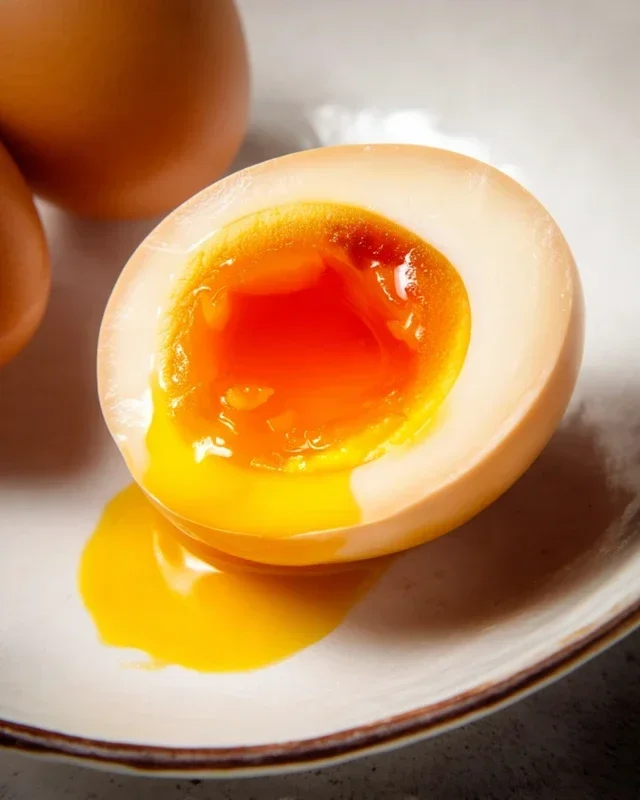
Ramen eggs, or ajitama, are more than just a topping; they’re a revelation in a bowl. These perfectly marinated, soft-boiled eggs are the secret weapon behind every truly exceptional bowl of ramen, transforming a simple noodle soup into an umami-rich masterpiece. I’ve always been captivated by the glossy, deep amber hue of their marinated whites and the custardy, molten gold that awaits within. What makes these ramen eggs so incredibly special? It’s the delicate balance of savory soy sauce, sweet non-alcoholic mirin, and aromatic non-alcoholic sake that gently infuses the egg, creating a flavor profile that’s both complex and comforting. They’re a labor of love, yes, but the reward of biting into one of these flavorful spheres, letting the rich yolk coat your tongue, is absolutely unparalleled. Mastering the art of the perfect ramen egg will elevate your home-cooked ramen from great to unforgettable.
Ramen Eggs (Ajitama)
There’s something incredibly special about a perfectly prepared ramen egg, often called Ajitama. That jammy, golden yolk, infused with a savory, slightly sweet marinade, is the crowning glory of any bowl of ramen. While they might seem intimidating, making your own Ajitama is surprisingly simple and incredibly rewarding. Imagin extracte elevating your instant ramen or your homemade ramen to a whole new level of deliciousness. These eggs are not just for ramen, either; they make a fantastic addition to salads, rice bowls, or even just enjoyed as a flavorful snack. The key is to achieve that perfect soft-boiled texture and then let the marinade work its magic. Let’s get started on creating this umami-rich delight!
Ingredients:
Cooking Instructions
Preparing your Ajitama involves two main stages: perfectly boiling the eggs and then marinating them. Each step is crucial for achieving that signature flavor and texture.
1. Achieving the Perfect Soft-Boiled Egg
This is arguably the most critical step. We’re aiming for a consistently jammy yolk, not a fully hard-boiled egg. Start by gently placing your 6 large eggs into a pot. You can add a splash of vinegar to the water if you like; this helps to slightly toughen the egg whites upon contact with the boiling water, making them easier to peel if any hairline cracks appear. Fill the pot with enough cold water to completely submerge the eggs by about an inch.
Bring the water to a rolling boil over medium-high heat. Once the water is boiling vigorously, carefully set a timer for exactly 6.5 minutes for a truly jammy yolk. If you prefer your yolk slightly more set, but still soft, you can go up to 7 minutes. Avoid overcooking, as this will result in a rubbery white and a chalky yolk. The precise timing is key here, so don’t be tempted to eyeball it. Once the timer goes off, immediately prepare an ice bath. This involves filling a bowl with ice and cold water.
2. The Ice Bath and Peeling Technique
As soon as the 6.5 or 7 minutes are up, carefully and immediately transfer the eggs from the boiling water into the prepared ice bath using a slotted spoon. Let them sit in the ice bath for at least 5-10 minutes. This rapid cooling stops the cooking process instantly, preventing the yolk from continuing to cook and firm up. It also helps the membrane to separate from the egg white, making peeling much easier.
Once the eggs are thoroughly chilled, it’s time to peel. The best technique I’ve found is to gently tap the wider end of the egg on a hard surface, then roll it gently under the palm of your hand to create small cracks all over the shell. Then, start peeling from the wider end, ideally under cool running water. The water helps to dislodge any stubborn bits of shell and membrane. Be patient and gentle; the goal is to get the shell off without damagin extractg the delicate egg white. If you’ve achieved the perfect boil, they should peel beautifully.
3. Preparing the Marinade
While your eggs are chilling or you’re peeling them, you can quickly whip up the marinade. In a small saucepan, combine ½ cup of light sodium soy sauce, ¼ cup of water, ¼ cup of non-non-non-alcoholic alternativeic non-alcoholic mirin, and 2 tablespoons of granulated sugar. Stir everything together.
Place the saucepan over medium heat. We just want to dissolve the sugar and gently heat the mixture; we’re not looking to boil it. Stir occasionally until the sugar is completely dissolved. Once the sugar has dissolved, remove the saucepan from the heat. Let the marinade cool down slightly. It doesn’t need to be cold, but it shouldn’t be piping hot when you add the eggs.
4. Marinating the Eggs
Once your eggs are peeled and the marinade has cooled slightly, it’s time to combine them. You can use a resealable plastic bag or a small airtight container. Place the peeled, soft-boiled eggs into your chosen vessel. Pour the slightly cooled marinade over the eggs, ensuring they are fully submerged. If using a plastic bag, gently press out as much air as possible before sealing it to ensure good contact between the eggs and the marinade.
Now comes the waiting game. For the best flavor infusion, refrigerate the marinated eggs for at least 4 hours, but ideally 12-24 hours. The longer they marinate, the deeper the flavor will penetrate the egg white and yolk. You can turn the eggs occasionally to ensure even marinating. If you’re in a hurry, 4 hours will give you a noticeable flavor, but the overnight soak is truly transformative.
5. Serving Your Ajitama
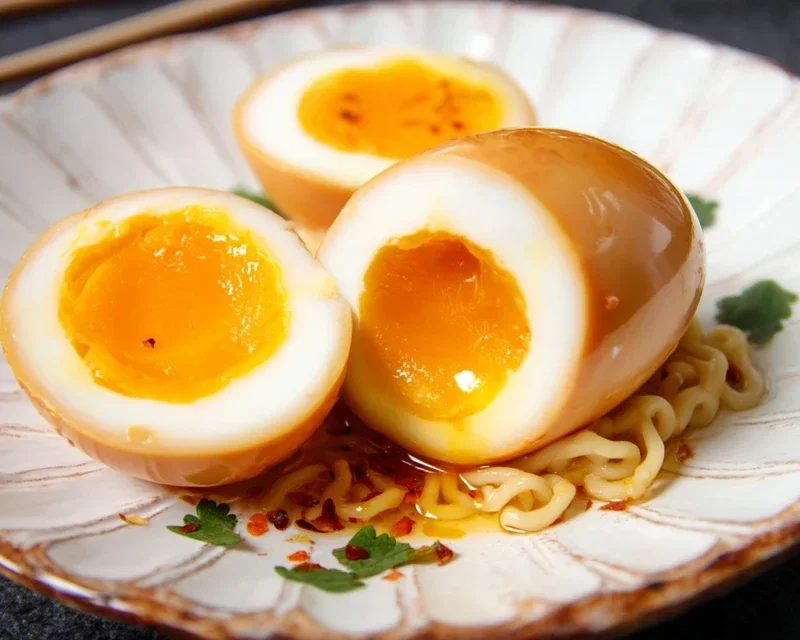
After the marinating period, your Ajitama are ready to be enjoyed! Carefully remove the eggs from the marinade. You can discard the marinade or save it to add a little extra flavor to other dishes. To serve, gently slice the eggs in half lengthwise with a sharp knife. You’ll be greeted by that beautiful, custardy, deep orange yolk. Place them atop your favorite ramen, a warm bowl of rice, or enjoy them as they are. The slightly translucent, umami-rich egg white and the rich, flavorful yolk are a testament to your culinary efforts. Enjoy this delicious, homemade treat!
Conclusion:
And there you have it – your guide to creating perfect ramen eggs, or ajitama! This recipe is a game-changer because it elevates any bowl of ramen from good to absolutely phenomenal with minimal effort. The soft, jammy yolk and the savory, slightly sweet marinade create an explosion of flavor and texture that’s truly addictive. I can’t stress enough how rewarding it is to bite into one of these glorious eggs.
Don’t limit yourself to just ramen! These ramen eggs are fantastic additions to so many dishes. Try them sliced over avocado toast, chopped into a salad for an extra protein boost, or even as a standalone snack. For variations, feel free to experiment with the marinade. Some people love adding a touch of non-alcoholic mirin for extra sweetness, a pinch of chili flakes for a subtle kick, or even a splash of non-alcoholic sake for depth. The possibilities are truly endless, and I encourage you all to give this recipe a try. You’ll be amazed at how simple yet impactful these ajitama can be!
Frequently Asked Questions:
How long do ramen eggs last in the refrigerator?
Once marinated and stored in an airtight container in the refrigerator, your ramen eggs should stay delicious for about 3 to 4 days. Make sure they are fully submerged in the marinade to maintain their freshness and flavor.
Can I make the marinade ahead of time?
Absolutely! The marinade can be made a day or two in advance and stored in the refrigerator. This is a great way to save time when you’re ready to marinate your eggs. You can even make a larger batch and keep it on hand for future batches of ramen eggs.
Ramen Eggs (Ajitama)
Perfectly seasoned soft-boiled eggs for your ramen, marinated in a savory soy-based liquid.
Ingredients
-
6 large eggs
-
1/2 cup soy sauce (light sodium)
-
1/4 cup water
-
1/4 cup non-alcoholic mirin
-
2 tablespoons granulated sugar
-
1 tablespoon rice vinegar
Instructions
-
Step 1
Bring a pot of water to a boil. Gently add the eggs and cook for exactly 6.5 to 7 minutes for a jammy yolk. Prepare an ice bath. -
Step 2
Immediately transfer the cooked eggs to the ice bath and let them cool completely for at least 10 minutes. This stops the cooking process. -
Step 3
While the eggs are cooling, prepare the marinade. In a small saucepan, combine the soy sauce, water, non-alcoholic mirin, granulated sugar, and rice vinegar. -
Step 4
Heat the marinade over medium heat, stirring until the sugar is completely dissolved. Do not boil. Let it cool to room temperature. -
Step 5
Carefully peel the cooled eggs. Place the peeled eggs in a resealable bag or a small container. Pour the cooled marinade over the eggs, ensuring they are fully submerged. -
Step 6
Marinate the eggs in the refrigerator for at least 8 hours, or preferably overnight, turning them occasionally to ensure even marbling. -
Step 7
Remove the eggs from the marinade and slice in half lengthwise to serve.
Important Information
Nutrition Facts (Per Serving)
It is important to consider this information as approximate and not to use it as definitive health advice.
Allergy Information
Please check ingredients for potential allergens and consult a health professional if in doubt.