Spicy Potato Noodles-Quick & Flavorful Recipe
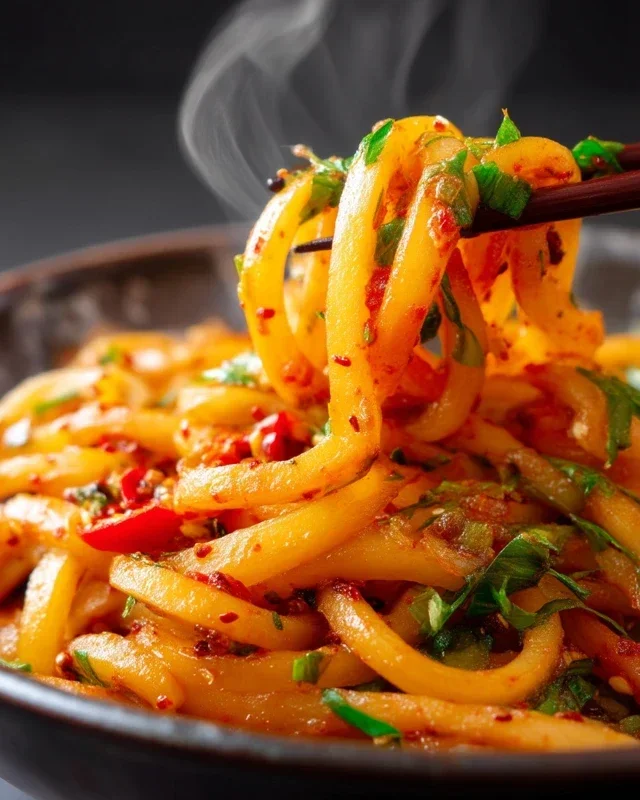
Spicy Potato Noodles are my ultimate comfort food, a dish that ignites the senses and soothes the soul. If you’re anything like me, the thought of those springy, chewy noodles coated in a fiery, savory sauce is enough to make your mouth water. What is it about this deceptively simple dish that captivates us? It’s the perfect marriage of textures and flavors: the satisfying bite of the potato noodles, the bold punch of chili, the subtle sweetness, and the umami depth that lingers long after the last slurp. This isn’t just a meal; it’s an experience, a vibrant explosion of taste that leaves you feeling utterly content and a little bit addicted. The beauty of Spicy Potato Noodles lies in their adaptability – easily customized to your heat preference and adorned with your favorite toppings, making each bowl uniquely yours.
Why You’ll Love This Recipe
Get Ready for a Flavor Fiesta!
Spicy Potato Noodles
Get ready to tantalize your taste buds with these incredible Spicy Potato Noodles! This recipe delivers a delightful chegrape juicess from the homemade potato noodles, perfectly coated in a vibrant, spicy, and tangy sauce. It’s a comforting yet exciting dish that’s surprisingly easy to make and is sure to become a new favorite.
Ingredients:
Crafting the Potato Noodles
The heart of this dish lies in the homemade potato noodles. Don’t be intimidated; it’s a straightforward process that yields incredibly satisfying results.
Whipping Up the Spicy Sauce
While your noodles are cooking, or even while you’re preparing the dough, you can whip up the flavorful sauce that brings these noodles to life. This sauce is a beautiful balance of savory, spicy, and tangy notes that perfectly complement the potato noodles.
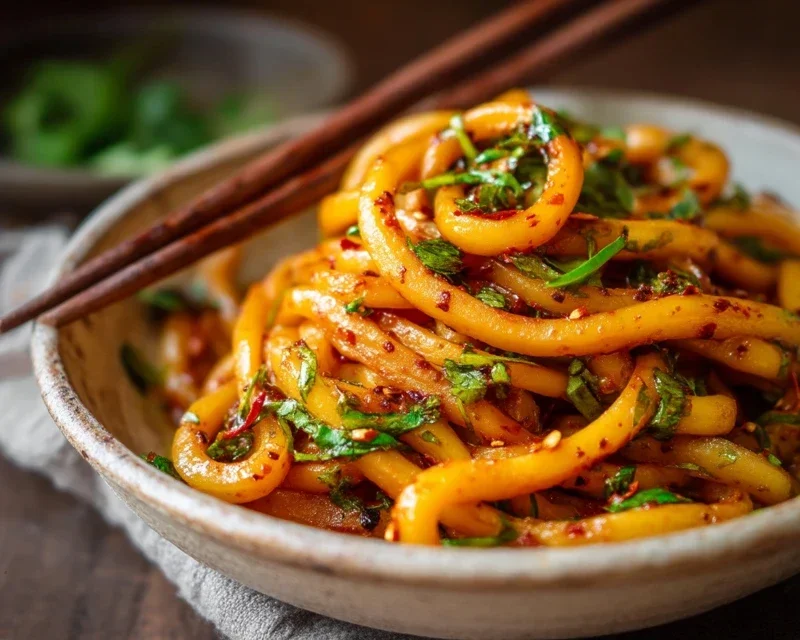
Serve these Spicy Potato Noodles immediately, garnished with the remaining fresh cilantro. Enjoy the delightful chegrape juicess of the noodles and the explosion of flavors from the spicy, tangy sauce! This dish is a wonderful way to use up potatoes and create something truly special.
Conclusion:
I hope you’ve enjoyed learning how to make these incredible Spicy Potato Noodles! This recipe is a true winner because it’s surprisingly simple to prepare, uses pantry staples, and delivers an explosion of flavor that’s both comforting and exciting. The chewy texture of the potato noodles combined with the fiery kick of the chili oil and fragrant aromatics creates a dish that is truly unforgettable. Whether you’re looking for a quick weeknight meal or a dish to impress guests, these spicy potato noodles are sure to hit the spot.
I love serving these noodles with a side of crisp, steamed bok choy or a handful of fresh cilantro for an extra pop of freshness. For a more substantial meal, consider adding pan-fried tofu, shredded chicken, or some succulent shrimp. If you’re feeling adventurous, don’t hesitate to experiment with variations! You can adjust the spice level to your preference, add different vegetables like bell peppers or mushrooms, or even incorporate a dollop of creamy peanut butter for a richer sauce. I truly encourage you to give this recipe a try – you won’t be disappointed!
Frequently Asked Questions:
Q: Can I make the spicy potato noodles ahead of time?
A: While the noodle dough itself can be made and stored in the refrigerator for a day or two, it’s best to cook and sauce the noodles just before serving for optimal texture. You can, however, prepare your chili oil mixture and chop your aromatics in advance to speed up the cooking process.
Q: My potato noodles are a bit too sticky. What can I do?
A: If your potato noodles are sticking together, it usually means there’s a little too much moisture. You can try lightly dusting them with a bit more flour when shaping or boiling. Once cooked, rinsing them briefly under cool water can also help prevent sticking before tossing them with your sauce.
Q: How can I make this recipe less spicy?
A: To reduce the heat, simply use less chili flakes or a milder chili powder. You can also reduce the amount of chili oil or omit it altogether and rely more on other savory elements. A touch of honey or sugar in the sauce can also help balance out the spice.
Spicy Potato Noodles
Chewy and satisfying spicy potato noodles with a flavorful sauce. This recipe is a vegetarian take, substituting pork with the satisfying chew of potato and removing alcohol from the sauce.
Ingredients
-
{‘@type’: ‘Ingredient’, ‘name’: ‘russet potato’, ‘quantity’: ‘1.1’, ‘unitCode’: ‘LB’, ‘description’: ‘peeled and cut into 1 inch pieces (gold potato is fine too)’}
-
{‘@type’: ‘Ingredient’, ‘name’: ‘salt’, ‘quantity’: ‘0.5’, ‘unitCode’: ‘TSP’, ‘description’: ‘for boiling potatoes’}
-
{‘@type’: ‘Ingredient’, ‘name’: ‘potato starch’, ‘quantity’: ‘1.5’, ‘unitCode’: ‘CUP’}
-
{‘@type’: ‘Ingredient’, ‘name’: ‘water’, ‘quantity’: ‘0.5’, ‘unitCode’: ‘CUP’, ‘description’: ‘warm, for dough’}
-
{‘@type’: ‘Ingredient’, ‘name’: ‘regular soy sauce’, ‘quantity’: ‘2’, ‘unitCode’: ‘TBSP’}
-
{‘@type’: ‘Ingredient’, ‘name’: ‘Chinese black vinegar’, ‘quantity’: ‘2’, ‘unitCode’: ‘TBSP’}
-
{‘@type’: ‘Ingredient’, ‘name’: ‘gochugaru’, ‘quantity’: ‘2’, ‘unitCode’: ‘TBSP’, ‘description’: ‘coarse (or fine ground (or Chinese chili powder))’}
-
{‘@type’: ‘Ingredient’, ‘name’: ‘granulated sugar’, ‘quantity’: ‘1.25’, ‘unitCode’: ‘TSP’}
-
{‘@type’: ‘Ingredient’, ‘name’: ‘salt’, ‘quantity’: ‘0.125’, ‘unitCode’: ‘TSP’, ‘description’: ‘for sauce’}
-
{‘@type’: ‘Ingredient’, ‘name’: ‘garlic’, ‘quantity’: ‘2’, ‘unitCode’: ‘TBSP’, ‘description’: ‘minced’}
-
{‘@type’: ‘Ingredient’, ‘name’: ‘green onion’, ‘quantity’: ‘1’, ‘unitCode’: ‘STALK’, ‘description’: ‘sliced’}
-
{‘@type’: ‘Ingredient’, ‘name’: ‘oil’, ‘quantity’: ‘3’, ‘unitCode’: ‘TBSP’, ‘description’: ‘any neutral oil such as avocado, sunflower, grapeseed, etc’}
-
{‘@type’: ‘Ingredient’, ‘name’: ‘cilantro’, ‘quantity’: ‘0.33’, ‘unitCode’: ‘CUP’, ‘description’: ‘roughly chopped’}
Instructions
-
Step 1
Boil the peeled and cut russet potatoes in water with ½ teaspoon salt until very tender, about 15-20 minutes. Drain well. -
Step 2
Mash the cooked potatoes until smooth. Gradually add 1½ cups potato starch and ½ cup warm water, mixing until a firm dough forms. Knead for a few minutes until elastic. -
Step 3
Roll out the dough thinly and cut into noodle shapes. Alternatively, you can use a noodle press or roll small pieces into ropes. Dust with more potato starch to prevent sticking. -
Step 4
In a small bowl, whisk together 2 tablespoons soy sauce, 2 tablespoons Chinese black vinegar, 2 tablespoons gochugaru, 1¼ teaspoons granulated sugar, ⅛ teaspoon salt, and 2 tablespoons minced garlic to make the sauce. -
Step 5
Bring a pot of water to a boil and cook the potato noodles for about 3-5 minutes, or until they float to the surface. Drain. -
Step 6
In a large pan or wok, heat 3 tablespoons of oil over medium heat. Add the sliced green onion and sauté until fragrant. Pour in the prepared sauce and bring to a simmer. -
Step 7
Add the drained potato noodles to the pan with the sauce. Toss well to coat. Cook for another 1-2 minutes, allowing the noodles to absorb the sauce. -
Step 8
Serve the spicy potato noodles immediately, garnished with roughly chopped cilantro.
Important Information
Nutrition Facts (Per Serving)
It is important to consider this information as approximate and not to use it as definitive health advice.
Allergy Information
Please check ingredients for potential allergens and consult a health professional if in doubt.