Healthy Low Calorie Chicken Alfredo Recipe
Low Calorie Chicken Alfredo – yes, you read that right! For so long, this creamy, dreamy pasta dish felt like a forbidden pleasure, a decadent indulgence reserved for special occasions or guilt-ridden cheat days. We all adore the comforting embrace of tender chicken, perfectly cooked pasta, and that luscious, velvety sauce. The rich, cheesy aroma alone is enough to make your mouth water. But what if I told you that you don’t have to sacrifice your health goals for that satisfying experience? That’s precisely what we’re diving into today: a way to enjoy the classic flavors you crave without the heavy calorie load. This Low Calorie Chicken Alfredo recipe is designed to deliver all the taste and satisfaction you expect, proving that delicious and diet-friendly can absolutely go hand-in-hand. Get ready to fall in love with this lighter take on a beloved favorite.
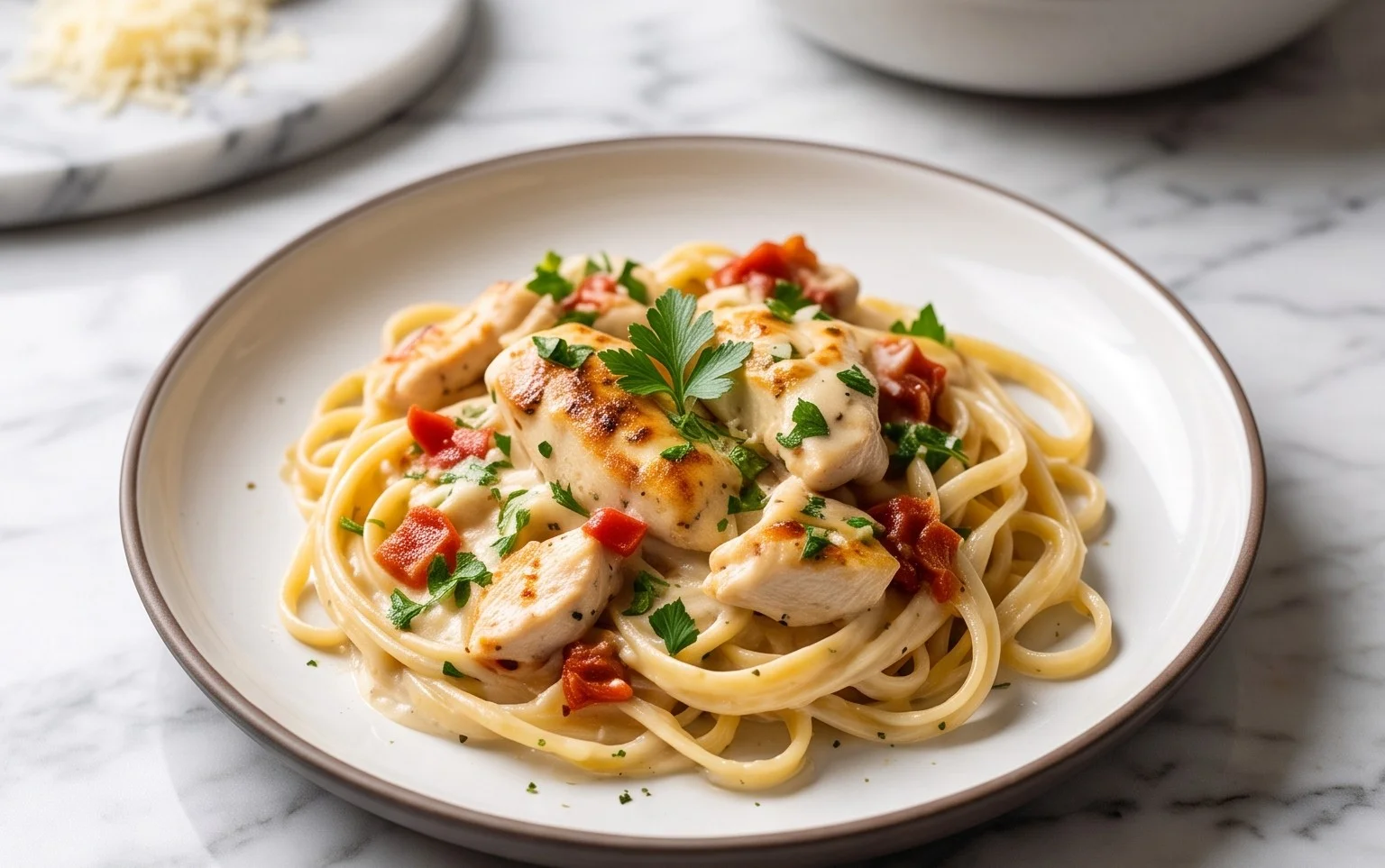
Low Calorie Chicken Alfredo
Craving a rich, creamy, and satisfying Chicken Alfredo but worried about the calorie count? I get it! Traditional Alfredo is delicious, but often packed with heavy cream and butter, which can add up quickly. That’s why I’ve developed this lighter, yet still incredibly flavorful, Low Calorie Chicken Alfredo recipe. It delivers all the comforting indulgence you love, without derailing your healthy eating goals. We’ll be making a few smart swaps and using some clever techniques to achieve that classic creamy texture and taste with significantly fewer calories. Get ready to impress yourself with how delicious healthy can be!
This recipe is perfect for a weeknight dinner when you’re short on time but still want something special. It’s also fantastic for meal prep, as the flavors meld beautifully overnight. Let’s dive into what you’ll need to create this guilt-free delight.
Ingredients:
Cooking Instructions:
Phase 1: Preparing the Chicken and Broccoli
1. Start by preparing your chicken. If your chicken breasts are thick, pound them to an even thickness of about ½ inch. This ensures they cook quickly and evenly, preventing dry spots. Alternatively, you can slice them horizontally into two thinner cutlets. Pat the chicken dry with paper towels; this helps the seasoning adhere better and promotes a nice sear. In a small bowl, combine the 1 tablespoon of olive oil with the garlic powder, paprika, Italian seasoning, salt, and pepper. Brush this mixture all over the chicken breasts, ensuring they are well-coated. Set aside while you prepare your other ingredients.
2. Next, let’s get the broccoli ready. If you’re using fresh broccoli, wash and cut it into bite-sized florets. If you’re using frozen broccoli, you can add it directly to the boiling pasta water during the last few minutes of cooking, which is a fantastic time-saver. For fresh broccoli, you have a couple of options: you can steam it separately until tender-crisp, or, my preferred method for efficiency, you can add it to the pasta water for the last 3-4 minutes of the pasta’s cooking time. This cooks the broccoli perfectly and saves you an extra pot!
Phase 2: Cooking the Pasta and Chicken
3. Bring a large pot of generously salted water to a rolling boil. Add your pasta and cook according to the package directions until al dente – meaning it should have a slight bite to it, not be mushy. If you’re cooking fresh broccoli with your pasta, add the florets during the last 3-4 minutes of the pasta’s cooking time. Once the pasta and broccoli are cooked, drain them well, reserving about ½ cup of the starchy pasta water. This reserved water is liquid gold for your sauce – it helps emulsify and thicken it beautifully.
4. While the pasta is cooking, it’s time to cook the chicken. Heat the second tablespoon of olive oil (or butter) in a large skillet or pan over medium-high heat. Once shimmering, carefully add the seasoned chicken breasts. Cook for about 4-6 minutes per side, or until golden brown and cooked through. The exact time will depend on the thickness of your chicken. Avoid overcrowding the pan; cook in batches if necessary. Once cooked, remove the chicken from the skillet and set it aside on a clean plate to rest. Don’t wipe out the skillet – those browned bits (fond) are packed with flavor and will be essential for our sauce.
Phase 3: Crafting the Lighter Alfredo Sauce
5. Reduce the skillet heat to medium. Add the minced onion to the same skillet used for the chicken. Sauté for about 3-4 minutes until softened and translucent, scraping up any browned bits from the bottom of the pan. Add the minced garlic and cook for another minute until fragrant, being careful not to burn it. Now, sprinkle the flour over the onions and garlic. Stir constantly for about 1-2 minutes, cooking the raw flour taste out. This creates a roux that will thicken our sauce.
6. Gradually whisk in the chicken stock, a little at a time, ensuring no lumps form. Bring the mixture to a simmer, stirring frequently, until it begin extracts to thicken. Once it has thickened slightly, whisk in the whole milk. Continue to cook, stirring occasionally, for about 5-7 minutes, allowing the sauce to thicken further. It should be a nice, coating consistency.
7. Turn the heat to low. Add the cream cheese and whisk until it’s completely melted and incorporated into the sauce, making it wonderfully creamy and smooth. Stir in the freshly-grated Parmesan cheese until it’s melted and the sauce is rich and luscious. Taste and adjust seasoning with salt and pepper if needed. Remember, Parmesan cheese is salty, so taste before adding more salt.
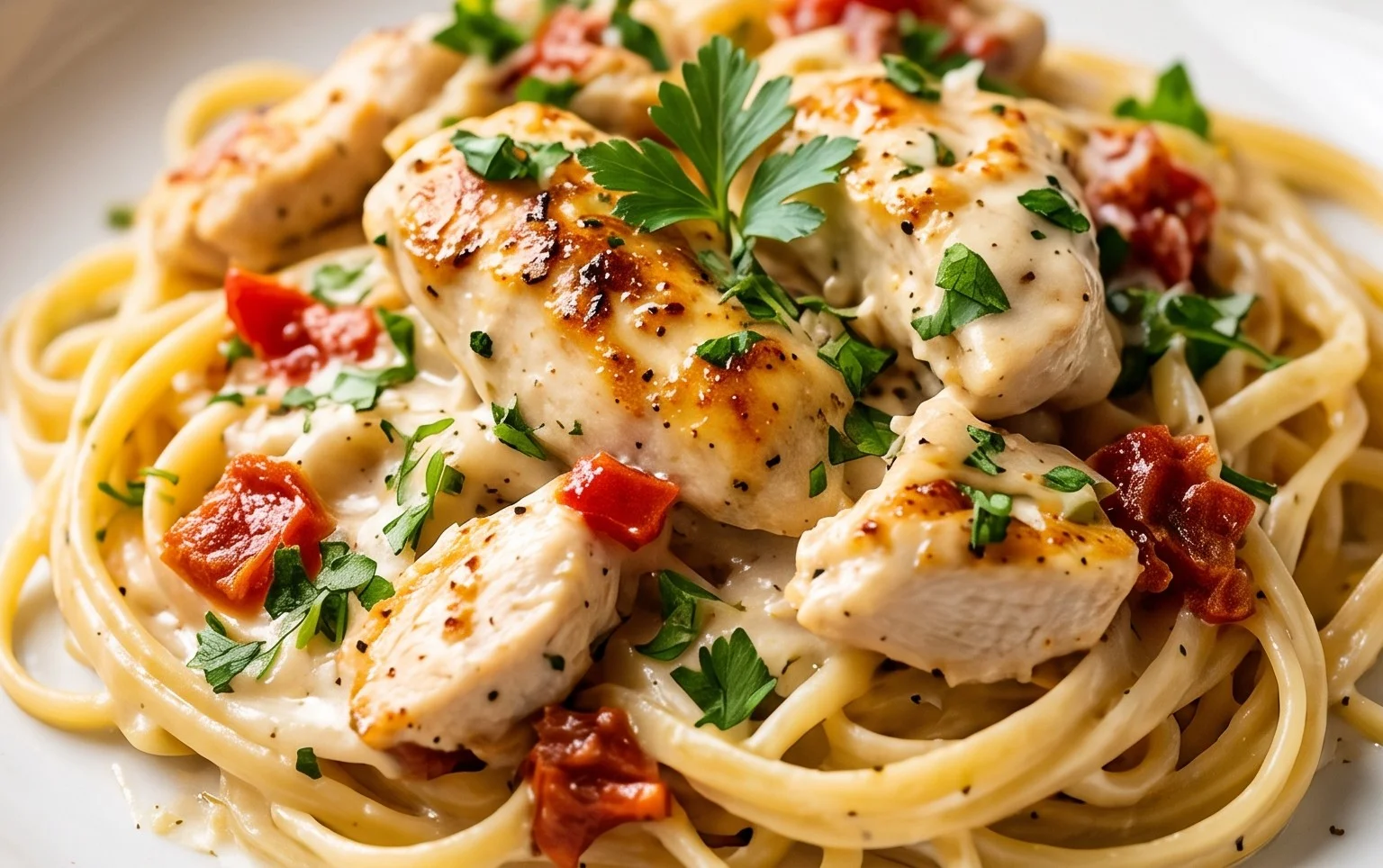
8. Now, it’s time to bring it all together. Slice or dice the rested chicken breasts into bite-sized pieces. Add the cooked pasta and broccoli directly into the skillet with the Alfredo sauce. Toss gently to coat everything evenly. Add the sliced chicken back into the skillet and stir to combine and heat through. If the sauce seems a bit too thick, add a splash of the reserved pasta water to reach your desired consistency. Serve immediately, garnished with extra Parmesan cheese and a sprinkle of fresh parsley if you have some on hand. Enjoy your delicious, low-calorie Chicken Alfredo!
Conclusion:
There you have it! This low calorie chicken Alfredo recipe is a fantastic way to enjoy a creamy, satisfying pasta dish without the guilt. It proves that you don’t have to sacrifice flavor for fewer calories. By using smarter ingredient swaps, we’ve created a lighter version that’s just as delicious and comforting as the origin extractal. It’s perfect for a weeknight dinner when you’re craving something indulgent, or even for a special occasion when you want to impress without overdoing it on the calories. Serve it with a vibrant side salad or some steamed broccoli for a complete and healthy meal. Don’t be afraid to experiment with variations like adding sautéed mushrooms, spinach, or even shrimp for a different twist!
I truly encourage you to give this recipe a try. I’m confident you’ll be delighted by how easy it is to make and how incredibly tasty it turns out. Enjoy your delicious, guilt-free pasta!
Frequently Asked Questions:
Can I make this recipe ahead of time?
Yes, you absolutely can! You can prepare the chicken and the sauce separately and store them in airtight containers in the refrigerator for up to 2-3 days. Reheat the sauce gently on the stovetop, then toss with freshly cooked pasta and the pre-cooked chicken. You may need to add a splash of milk or broth to loosen the sauce as it reheats.
What are some good protein substitutions for chicken?
You have several excellent options! For a vegetarian approach, try using pan-seared tofu or firm halloumi cheese. For other lean proteins, grilled shrimp or pan-seared turkey breast would also work wonderfully and keep the calorie count low.
Is it possible to make this dairy-free?
While it would significantly change the texture and flavor profile, you could experiment with dairy-free alternatives. For the creaminess, consider using full-fat coconut milk (though it will add calories and a coconut flavor) or a cashew cream. You’d also need to find a dairy-free Parmesan substitute. It might require some trial and error to get it just right!
Low Calorie Chicken Alfredo
A lighter take on classic Chicken Alfredo, featuring tender chicken, healthy vegetables, and a creamy, flavorful sauce made with reduced-fat ingredients.
Ingredients
-
8-10 ounces pasta (any shape)
-
2 cups broccoli florets
-
2 medium chicken breasts (pounded flat or cut in half)
-
1 tablespoon olive oil
-
1/2 teaspoon garlic powder
-
1/2 teaspoon paprika
-
1/2 teaspoon italian seasoning
-
1/2 teaspoon salt
-
1/2 teaspoon pepper
-
1 tablespoon olive oil
-
1/2 onion (minced)
-
5-6 cloves garlic (minced)
-
3 Tablespoons all-purpose flour
-
1 cup chicken stock
-
1 cup whole milk
-
2 oz cream cheese
-
1/2 cup freshly-grated Parmesan cheese
Instructions
-
Step 1
Cook pasta according to package directions. Add broccoli florets to the boiling water during the last 3-4 minutes of pasta cooking. Drain and set aside. -
Step 2
Season chicken breasts with garlic powder, paprika, Italian seasoning, salt, and pepper. Heat 1 tablespoon of olive oil in a large skillet over medium-high heat. Cook chicken for 6-8 minutes per side, or until cooked through. Remove from skillet and set aside. Slice chicken into strips. -
Step 3
Add the remaining 1 tablespoon of olive oil to the same skillet over medium heat. Add minced onion and cook until softened, about 5 minutes. Add minced garlic and cook for 1 minute more until fragrant. -
Step 4
Whisk in the all-purpose flour and cook for 1 minute, stirring constantly, to form a roux. -
Step 5
Gradually whisk in the chicken stock and whole milk until smooth. Bring to a simmer, stirring frequently. Cook for 5-7 minutes, or until the sauce has thickened. -
Step 6
Stir in the cream cheese and Parmesan cheese until the cream cheese is melted and the sauce is smooth and creamy. Season with additional salt and pepper to taste. -
Step 7
Add the cooked pasta, broccoli, and sliced chicken to the skillet with the sauce. Toss to coat evenly and heat through.
Important Information
Nutrition Facts (Per Serving)
It is important to consider this information as approximate and not to use it as definitive health advice.
Allergy Information
Please check ingredients for potential allergens and consult a health professional if in doubt.